


Theory of Revolution — Soviet Constructivist Political Art Poster
Theory of Revolution — Soviet Constructivist Political Art Poster
Couldn't load pickup availability
About our restored prints
About our restored prints
Expertly restored: tears and stains are fixed, original clarity and depth of color are thoughtfully revived.
- Printed on museum-quality fine art paper
- Archival inks for long-lasting color
- Professionally color-calibrated
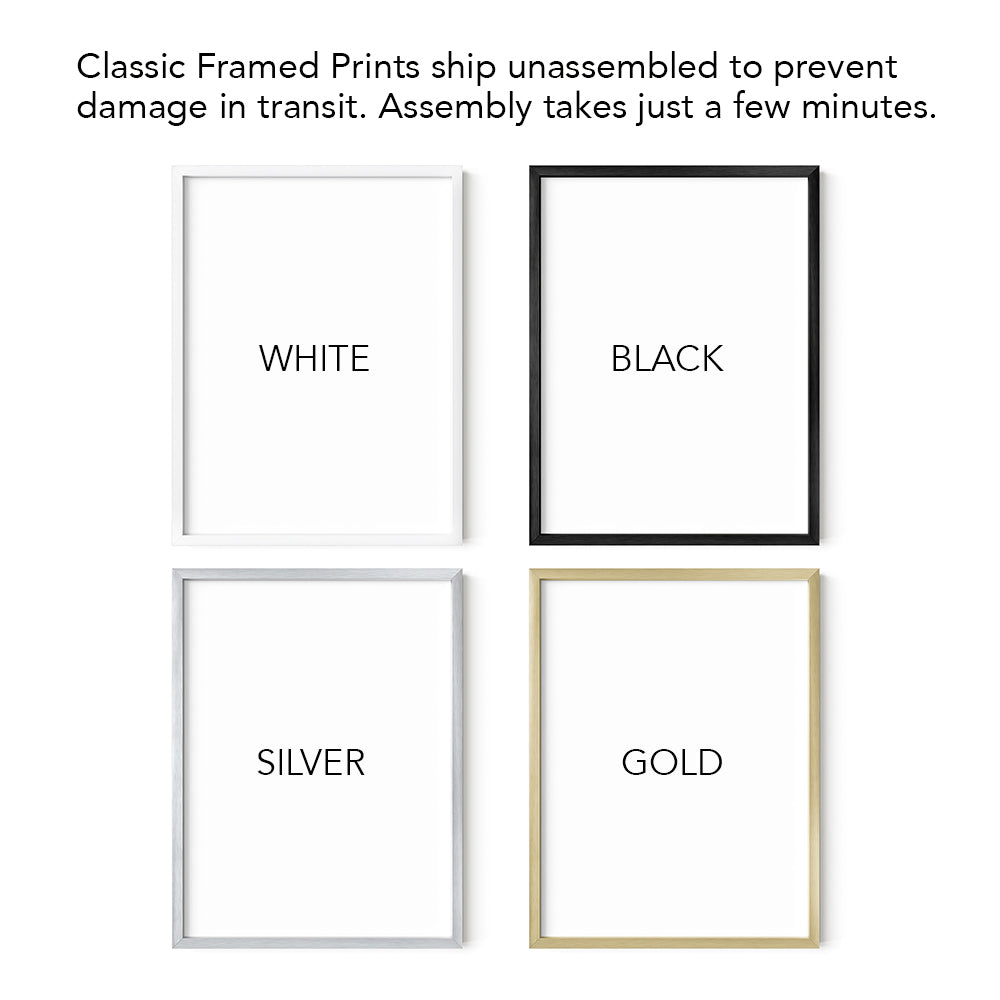
- Most framed prints ship unassembled for safety. Assembly is simple.
Shipping & Return Policy
Shipping & Return Policy
Classic Prints/Framed prints: 1-2 weeks
Frames & Decor: 2-3 weeks
Custom Frames: 2-3 weeks
Returns within 2 weeks.
Custom Framed prints are hand assembled and cannot be returned.
See policies in the footer
A composition that serves as a visual manifesto of the Russian Avant-Garde, blending rigorous geometry with the raw energy of early 20th-century political idealism. The piece centers on a high-contrast monochromatic figure—the artist himself, Gustav Klutsis—positioned behind a prismatic color wheel that seems to radiate outward like a broadcast signal. It captures a moment where art ceased to be a passive decoration and became a functional tool for social architecture, offering a viewing experience that is both intellectually demanding and visually rhythmic. The interplay between the stark "Theory" (ТЕОРИЯ) typography and the vibrant, segmented arcs creates a balanced tension, reflective of a world being rebuilt from the ground up.
Why We Picked It
What makes this artwork enduringly compelling is its mastery of dynamic equilibrium. Klutsis utilizes the Constructivist principle of "tectonics"—the functional use of industrial materials and forms—to organize the visual field. The color palette is a calculated study in primary contrasts, where the warmth of the reds and oranges is tempered by the cool precision of the grayscale photography. The brushwork is non-existent by design; instead, the piece celebrates the mechanical precision of lithography and photomontage. The lighting is flat and graphic, stripping away sentimentality to focus on the symbolic weight of the "new man" emerging from a spectrum of scientific and social theory.
Notable Context
Created during the height of the Russian Constructivist movement in the 1920s, this work reflects the aesthetic philosophy of the VKhUTEMAS (Higher Art and Technical Studios), where Klutsis both studied and taught. During this period, the Soviet Union was transitioning from the chaos of the Civil War to the industrial rigor of the Five-Year Plans. Artists were no longer "painters" but "constructors," tasked with designing a new visual language for a largely illiterate population. This specific piece emphasizes "Theory" as the bedrock of revolution, responding to the cultural shift toward rationalism and the "Productivist" idea that art must serve a practical utility. Tragically, while Klutsis was the premiere state propagandist, he eventually fell victim to the very political machinery he helped visualize, executed during the Great Purge of 1938—a fact that adds a haunting, historical gravity to his heroic self-portraiture.
About the Artist
Gustav Klutsis (1895–1938) was a pioneering Latvian photographer and a central figure in the Soviet Avant-Garde. Renowned for his "Agit-Prop" kiosks and his revolutionary development of photomontage, Klutsis transformed the medium into a weapon of mass communication. Alongside his wife and collaborator Valentina Kulagina, he redefined the boundaries of graphic design, utilizing distortions of scale and space to create posters that feel perpetually modern. His legacy resides in his ability to fuse high-concept abstraction with accessible, heroic imagery, making him one of the most significant contributors to 20th-century visual culture.


Find a matching frame
-
Ornate Gold Frame — Baroque Rococo Deep Relief Gilded Picture Frame
Regular price $39.00 USDRegular priceUnit price per -
Verdant Press Frame — Rococo Victorian Deep Green Distressed Gold Picture Frame
Regular price $65.00 USDRegular priceUnit price per -
Baroque in Black and Gold Frame — Rococo Ornate Lacquer Picture Frame
Regular price $70.00 USDRegular priceUnit price per -
Classic Beveled Wood Frames – Square (12x12), Rectangular (12x16/16x20)
Regular price From $55.00 USDRegular priceUnit price per -
Old World Beauty Frame — Gothic Revival Baroque Ornate Vintage Picture Frame
Regular price $60.00 USDRegular priceUnit price per


