


Kinetic Blooms — de Winter Dutch Expressionist Floral Print
Kinetic Blooms — de Winter Dutch Expressionist Floral Print
Couldn't load pickup availability
About our restored prints
About our restored prints
Expertly restored: tears and stains are fixed, original clarity and depth of color are thoughtfully revived.
- Printed on museum-quality fine art paper
- Archival inks for long-lasting color
- Professionally color-calibrated
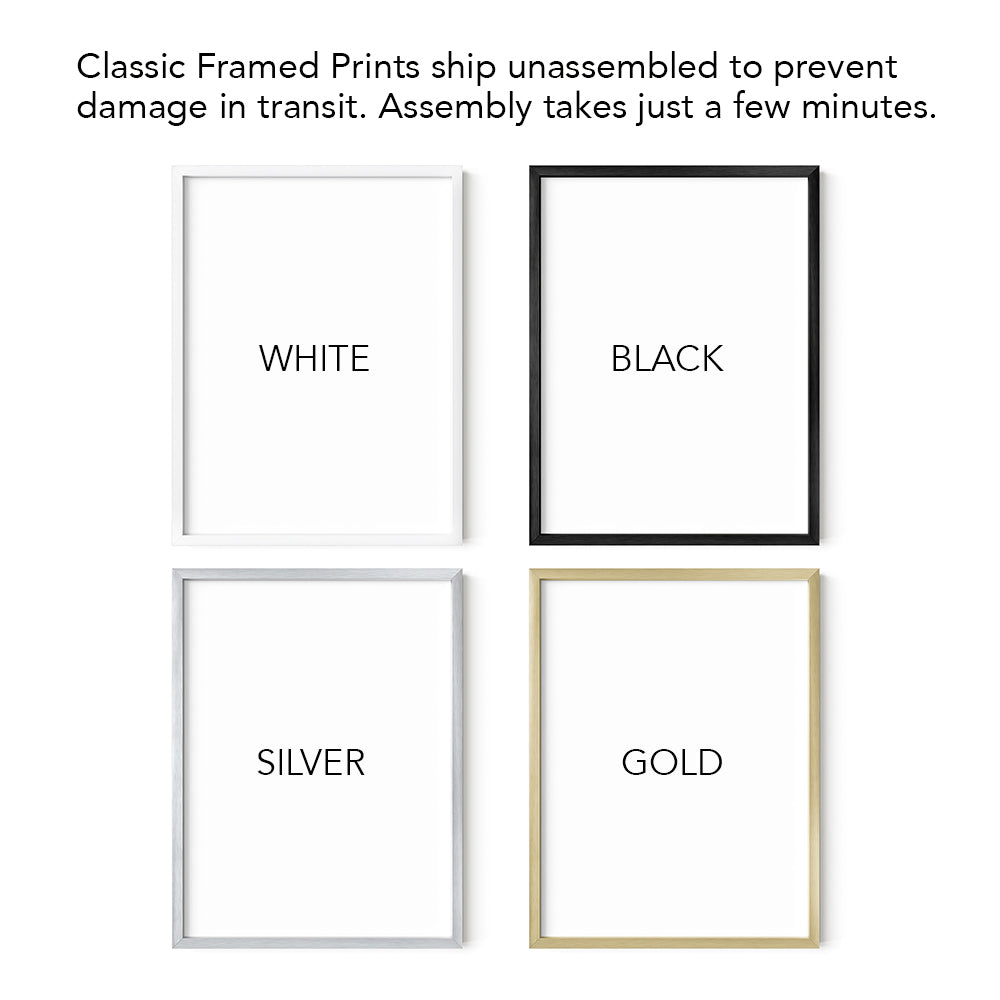
- Most framed prints ship unassembled for safety. Assembly is simple.
Shipping & Return Policy
Shipping & Return Policy
Classic Prints/Framed prints: 1-2 weeks
Frames & Decor: 2-3 weeks
Custom Frames: 2-3 weeks
Returns within 2 weeks.
Custom Framed prints are hand assembled and cannot be returned.
See policies in the footer
This 1917 composition by Janus de Winter presents a dramatic, ethereal interpretation of the botanical world. Rather than a static study, the piece captures a sense of movement and psychic energy, with the orchids appearing to grapple against a deep, shifting background. The atmosphere is heavy and immersive, balancing a dark, visceral intensity with the delicate, almost spectral luminosity of the petals. It offers a viewing experience that feels less like a garden scene and more like a glimpse into a private, emotional landscape.
Why We Picked It
The artwork is a masterclass in lyrical expressionism, utilizing a high-contrast palette of ochre, deep mahogany, and bioluminescent greens. De Winter’s brushwork is remarkably fluid; he treats the gouache and watercolor with a tactile weight that gives the "fighting" orchids a sculptural, nearly alien presence. The composition avoids traditional floral symmetry, opting instead for a tension-filled arrangement where the negative space feels as active and "charged" as the subjects themselves. This focus on the internal "vibration" of the plants makes it a standout example of early 20th-century Dutch avant-garde.
Notable Context
Created in the Netherlands during the height of the First World War, this work reflects the Symbolist and early Expressionist shift away from literal representation toward the "aura" of a subject. Janus de Winter was deeply influenced by the theories of Wassily Kandinsky, particularly the idea that color and form could directly translate human emotion and spiritual states. In 1917, de Winter was a central figure in the Utrecht avant-garde; his work from this period was championed by Theo van Doesburg, the founder of the De Stijl movement, who saw in de Winter’s "spirit-paintings" a revolutionary break from the physical world. The "Fighting Orchids" are often interpreted as metaphors for psychological struggle or the dual nature of beauty and aggression.
About the Artist
Janus de Winter (1882–1951) was a Dutch painter and lithographer known for his visionary, often mystic approach to art. Operating at the intersection of Expressionism and Theosophy, de Winter sought to paint the "invisible," frequently translating music and dreams into abstract or semi-abstract forms. His contribution to art history lies in his early experiments with abstraction—predating many more famous European artists—and his role in bridging the gap between 19th-century Symbolism and the bold, emotive language of modernism.


Find a matching frame
-
Ornate Gold Frame — Baroque Rococo Deep Relief Gilded Picture Frame
Regular price $39.00 USDRegular priceUnit price per -
Verdant Press Frame — Rococo Victorian Deep Green Distressed Gold Picture Frame
Regular price $65.00 USDRegular priceUnit price per -
Baroque in Black and Gold Frame — Rococo Ornate Lacquer Picture Frame
Regular price $70.00 USDRegular priceUnit price per -
Classic Beveled Wood Frames – Square (12x12), Rectangular (12x16/16x20)
Regular price From $55.00 USDRegular priceUnit price per -
Old World Beauty Frame — Gothic Revival Baroque Ornate Vintage Picture Frame
Regular price $60.00 USDRegular priceUnit price per


