


Lizard on a Stone — Dutch Jugendstil Print
Lizard on a Stone — Dutch Jugendstil Print
Couldn't load pickup availability
About our restored prints
About our restored prints
Expertly restored: tears and stains are fixed, original clarity and depth of color are thoughtfully revived.
- Printed on museum-quality fine art paper
- Archival inks for long-lasting color
- Professionally color-calibrated
- Most framed prints ship unassembled for safety. Assembly is simple.
Shipping & Return Policy
Shipping & Return Policy
Classic Prints/Framed prints: 1-2 weeks
Frames & Decor: 2-3 weeks
Custom Frames: 2-3 weeks
Returns within 2 weeks.
Custom Framed prints are hand assembled and cannot be returned.
See policies in the footer
This hand-colored lithograph presents a rigorous investigation into the textures of the Dutch landscape. The composition is anchored by a lizard on a dark stone, yet the animal is nearly subsumed by a dense, rhythmic tapestry of flora. By avoiding a singular focal point, van Hoytema forces the eye to wander across the frame, treating the scales of the reptile and the serrated edges of the foliage as a unified graphic pattern.
Why We Picked It
We are struck by the work’s flattened perspective and its sophisticated, muted palette. The application of watercolor by hand over the lithographic base introduces a soft, organic quality that contrasts with the disciplined, almost frantic linework of the environment. The composition relies on a "Seated Study" approach, an intimate, ground-level view that ignores traditional landscape vistas in favor of a microscopic, immersive encounter with nature.
Notable Context
Produced between 1878 and 1917, this work emerged during a period of profound transition in Dutch art. As the Industrial Revolution rapidly altered the European landscape, van Hoytema and his contemporaries in Holland turned toward a specialized form of Art Nouveau and Symbolism that sought to preserve the sanctity of the natural world. He was deeply influenced by the arrival of Japonisme in Europe; the flat planes and decorative "all-over" style of Japanese woodblock prints are evident in the way he textures the background. During this time, the Hague School's realism was giving way to a more decorative, graphic sensibility—one that prioritized the biological "rhythm" of a subject over photographic accuracy. Van Hoytema’s isolation in the Dutch countryside allowed him to synthesize these international movements into a quiet, archival observation of the flora and fauna that were increasingly threatened by urban expansion.


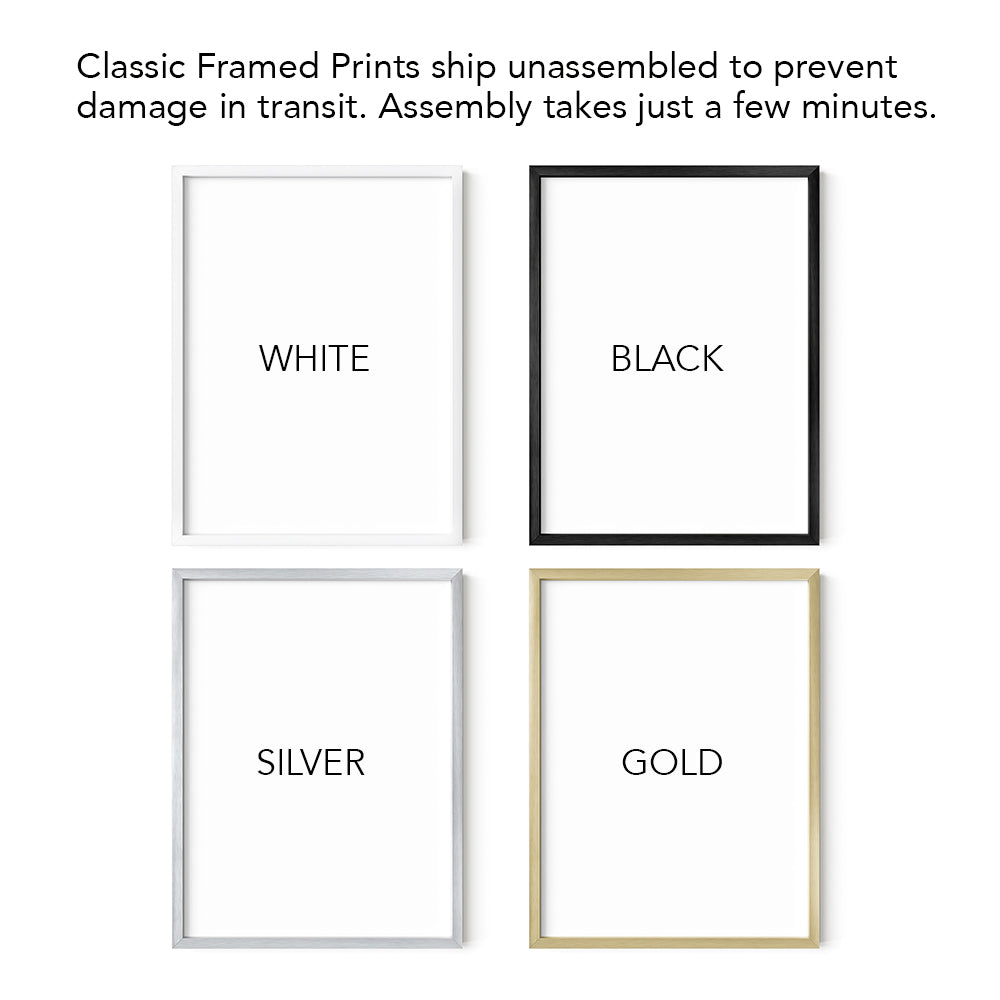
Find a matching frame
-
Ornate Gold Frame — Baroque Rococo Deep Relief Gilded Picture Frame
Regular price $39.00 USDRegular priceUnit price per -
Verdant Press Frame — Rococo Victorian Deep Green Distressed Gold Picture Frame
Regular price $65.00 USDRegular priceUnit price per -
Baroque in Black and Gold Frame — Rococo Ornate Lacquer Picture Frame
Regular price $70.00 USDRegular priceUnit price per -
Classic Beveled Wood Frames – Square (12x12), Rectangular (12x16/16x20)
Regular price From $55.00 USDRegular priceUnit price per -
Old World Beauty Frame — Gothic Revival Baroque Ornate Vintage Picture Frame
Regular price $60.00 USDRegular priceUnit price per


