


The Essence of Fairyland — French Pochoir Fantasy Illustration
The Essence of Fairyland — French Pochoir Fantasy Illustration
Couldn't load pickup availability
About our restored prints
About our restored prints
Expertly restored: tears and stains are fixed, original clarity and depth of color are thoughtfully revived.
- Printed on museum-quality fine art paper
- Archival inks for long-lasting color
- Professionally color-calibrated
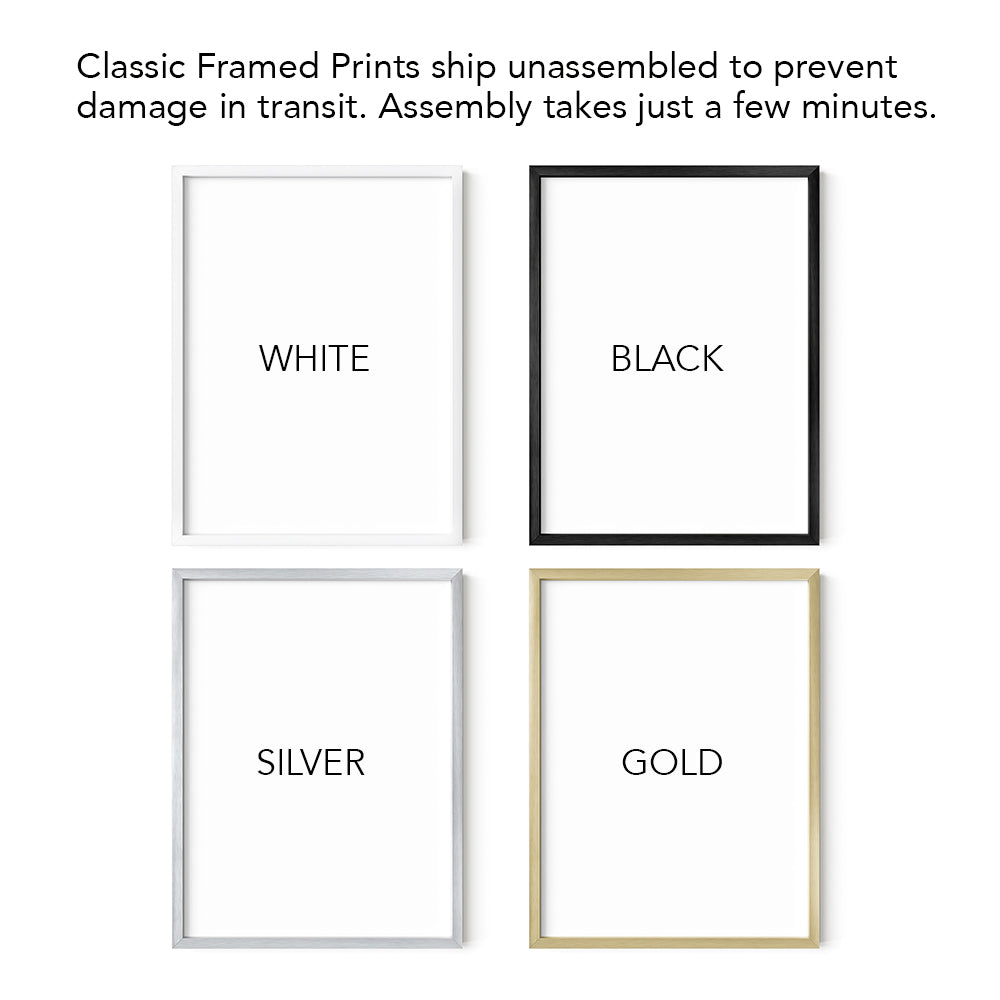
- Most framed prints ship unassembled for safety. Assembly is simple.
Shipping & Return Policy
Shipping & Return Policy
Classic Prints/Framed prints: 1-2 weeks
Frames & Decor: 2-3 weeks
Custom Frames: 2-3 weeks
Returns within 2 weeks.
Custom Framed prints are hand assembled and cannot be returned.
See policies in the footer
This is a reprint of "Fond de Feerie" a hand-painted pochoir image that reflects the rich cultural and artistic heritage of the 19th century. Fond de Féerie, features a whimsical scene with four elephants and their mahouts in a pool, a crowned female fairy atop a flower held aloft by the elephants, frogs on lily pads, and additional fairies flanking the scene, with more elephants in the background. Created by the Pellerin family in Épinal, France, these prints were part of a toy theatre, designed for children to cut out and assemble.
Why We Picked It
The enchanting depiction of fairies, elephants, and a magical pool, exemplifies the kind of fantastical scenes that captivated children's imaginations. The arrangement of elements—the crowned fairy atop a flower, elephants and their mahouts, frogs on lily pads, and flanking fairies—creates a dynamic and balanced scene that draws the viewer's eye across the entire piece. The detailed rendering of each figure and element shows the attention to detail and ability to bring fantastical scenes to life with a sense of realism and whimsy.
Notable Context
Pochoir is a stencil-based printing technique used primarily in the early 20th century for producing prints with vibrant colors and intricate details. Each color in the print is applied using a separate stencil, allowing for rich, vibrant hues and intricate details that would be difficult to achieve with other printing methods of the time. This labor-intensive process results in images that are not only colorful but also have a textured, almost hand-painted quality.
These prints were originally intended to be cut out and used in toy theatres, providing children with an interactive and creative play experience. This practice not only entertained but also educated children, fostering their artistic skills and storytelling abilities. As such, these prints offer valuable insight into the social and cultural practices of the time.
About the Artist
Jean-Charles Pellerin (1756–1836) was a French engraver and printmaker, known for his work in producing popular prints, particularly during the late 18th and early 19th centuries. He is most famous for establishing the Pellerin printing house in Épinal, France, which became renowned for its production of colorful, mass-produced images known as "images d'Épinal" or Épinal prints. The Imagerie d’Epinal is notable for popularizing printed images that depicted everyday scenes, folklore, and fantastical themes, making art accessible to a broad audience. The establishment played a crucial role in the dissemination of visual culture during the 19th century, influencing the aesthetic tastes and visual literacy of the public. The Pellerin family's dedication to high-quality craftsmanship and innovative techniques, like pochoir, helped solidify the Imagerie d’Epinal's reputation as a leading producer of printed imagery.


Find a matching frame
-
Ornate Gold Frame — Baroque Rococo Deep Relief Gilded Picture Frame
Regular price $39.00 USDRegular priceUnit price per -
Verdant Press Frame — Rococo Victorian Deep Green Distressed Gold Picture Frame
Regular price $65.00 USDRegular priceUnit price per -
Baroque in Black and Gold Frame — Rococo Ornate Lacquer Picture Frame
Regular price $70.00 USDRegular priceUnit price per -
Classic Beveled Wood Frames – Square (12x12), Rectangular (12x16/16x20)
Regular price From $55.00 USDRegular priceUnit price per -
Old World Beauty Frame — Gothic Revival Baroque Ornate Vintage Picture Frame
Regular price $60.00 USDRegular priceUnit price per


