CLASSIC
◇ Sermons In Light Series - 8x8
◇ Sermons In Light Series - 8x8
Couldn't load pickup availability
About our restored prints
About our restored prints
Expertly restored: tears and stains are fixed, original clarity and depth of color are thoughtfully revived.
- Printed on museum-quality fine art paper
- Archival inks for long-lasting color
- Professionally color-calibrated
- Most framed prints ship unassembled for safety. Assembly is simple.
Shipping & Return Policy
Shipping & Return Policy
Classic Prints/Framed prints: 1-2 weeks
Frames & Decor: 2-3 weeks
Custom Frames: 2-3 weeks
Returns within 2 weeks.
Custom Framed prints are hand assembled and cannot be returned.
See policies in the footer
Classic vs. Premium
Classic vs. Premium
Classic Line = Affordable unframed prints and framed options
Premium - Prints in hand-built period frames
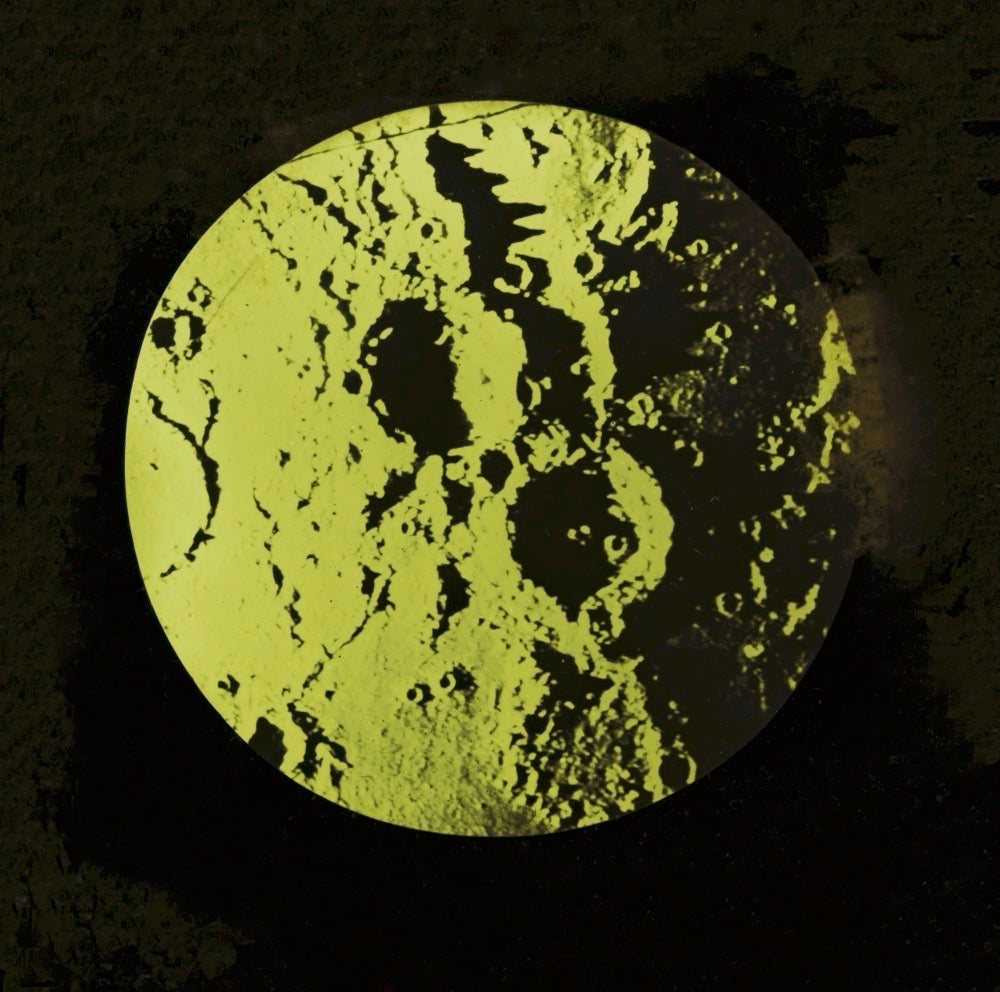
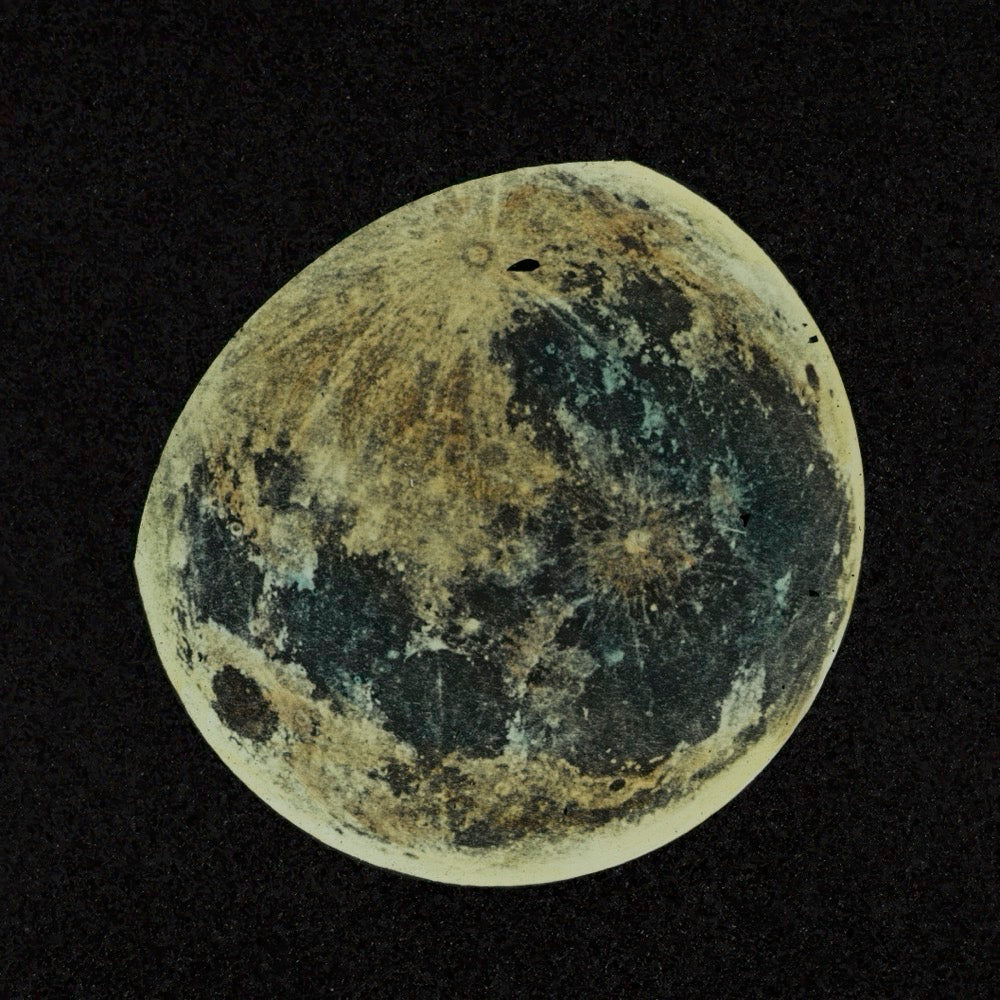
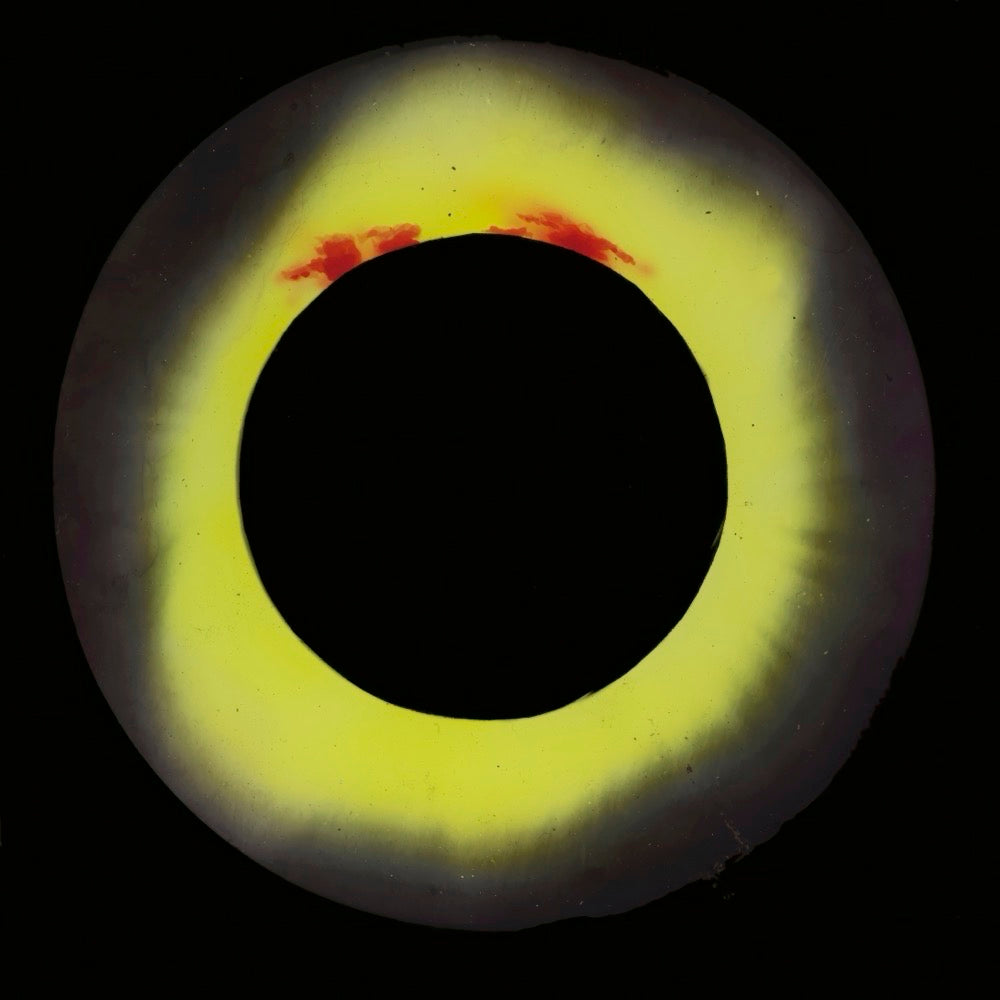
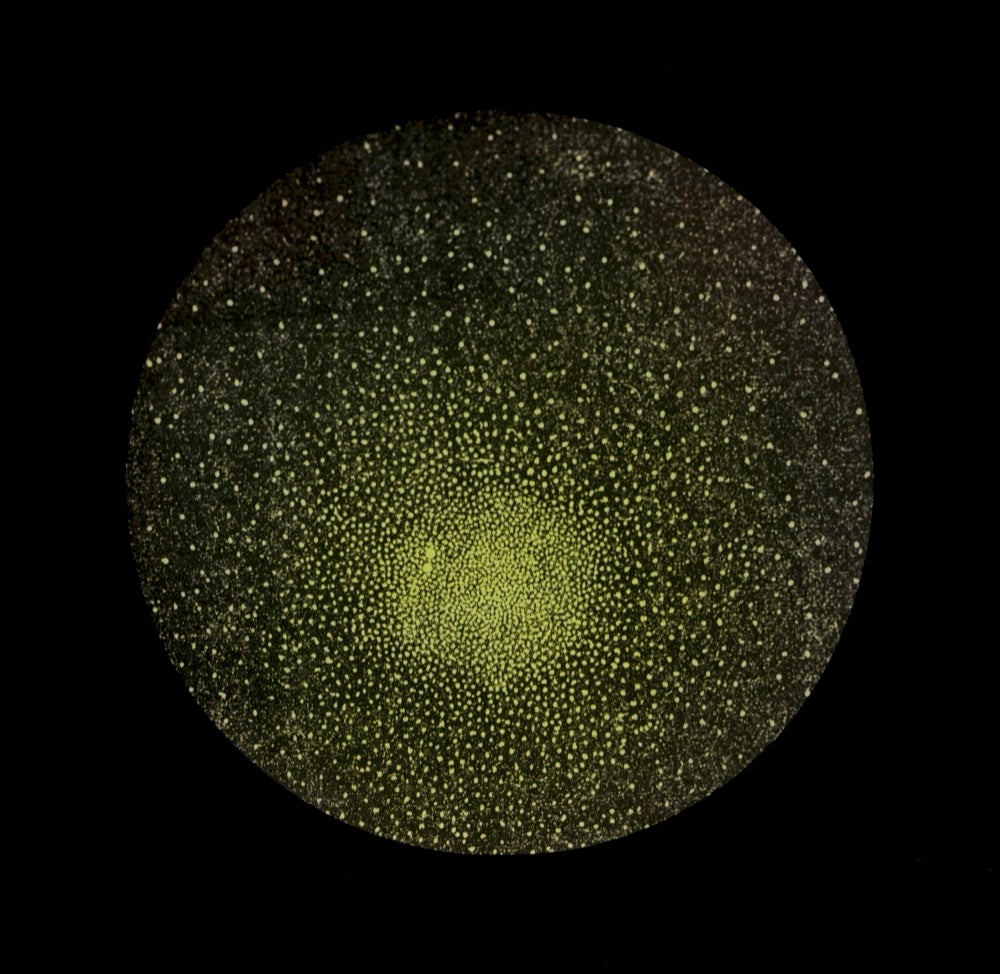
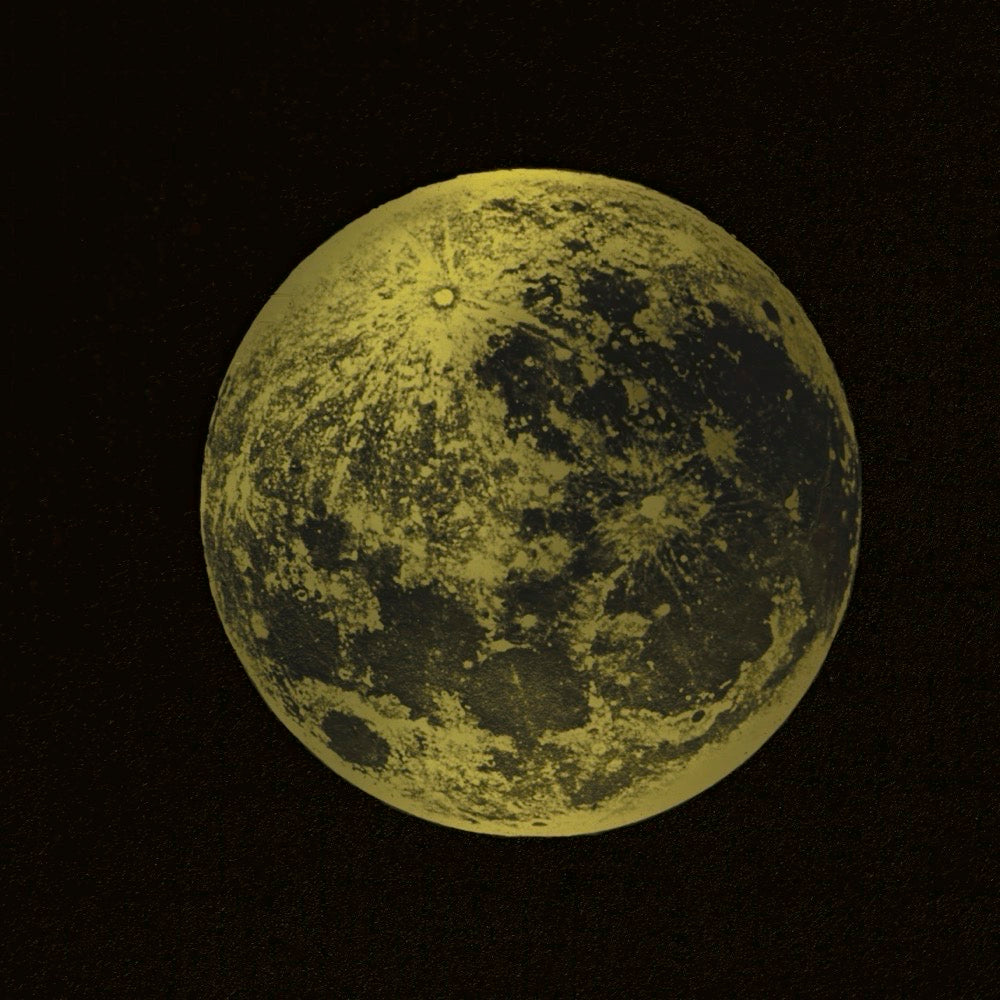
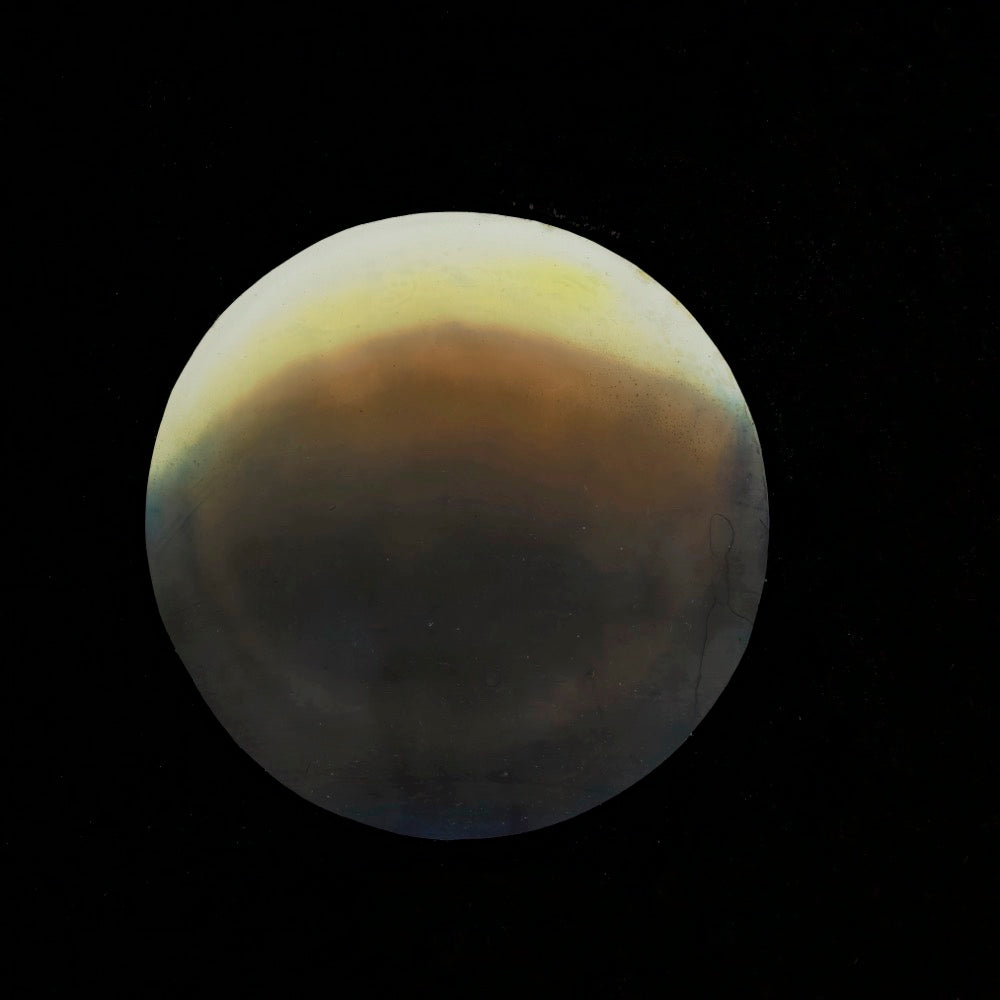
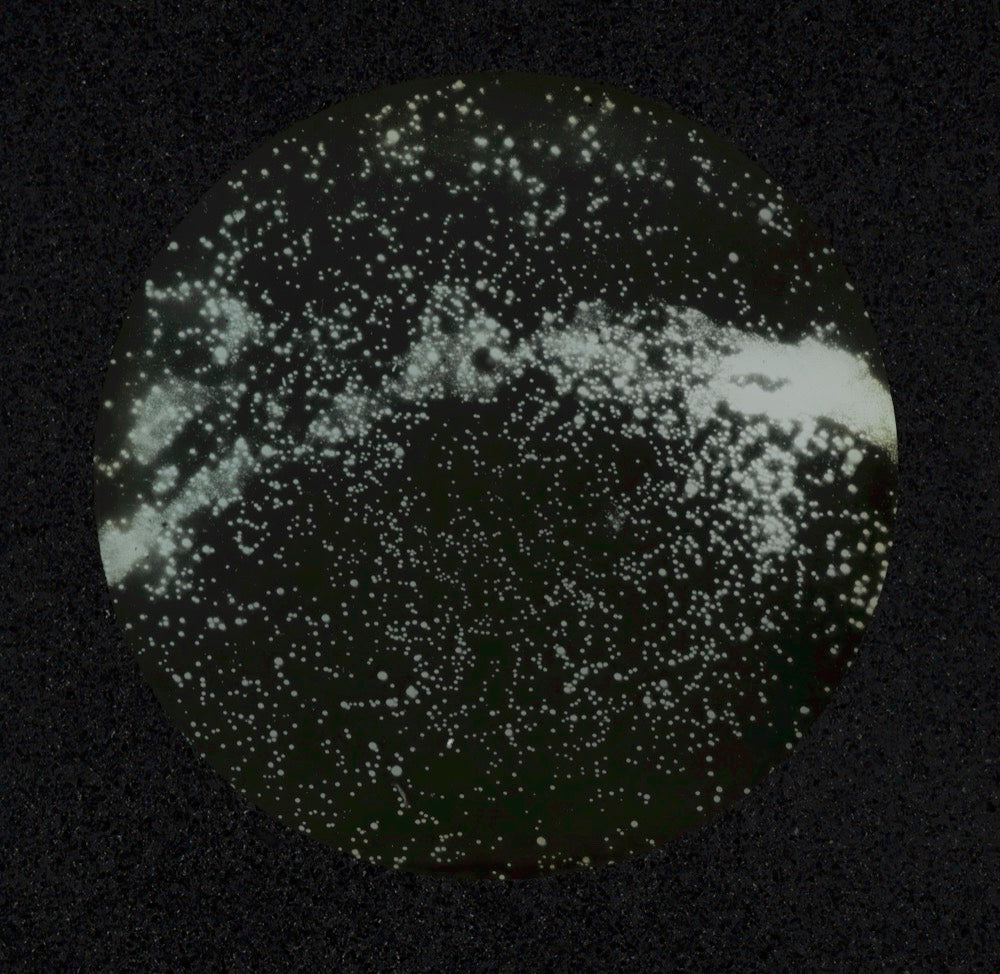
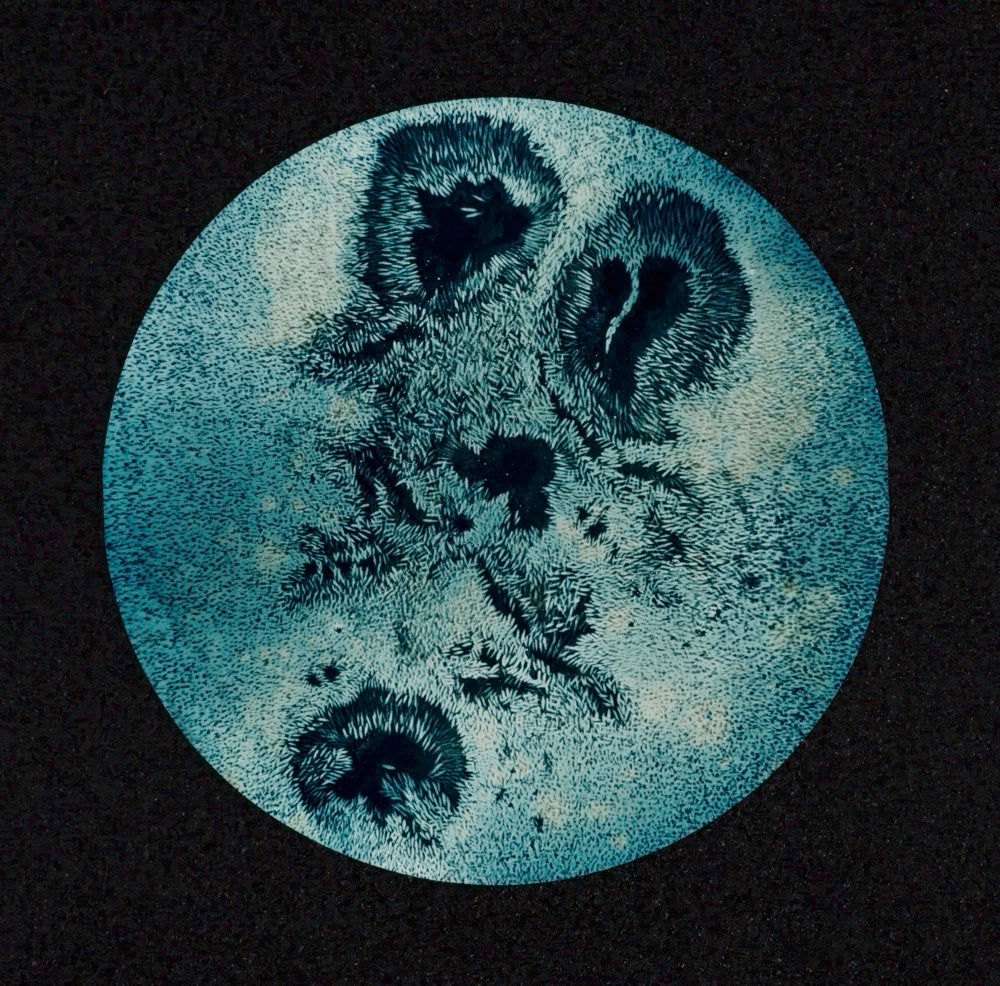
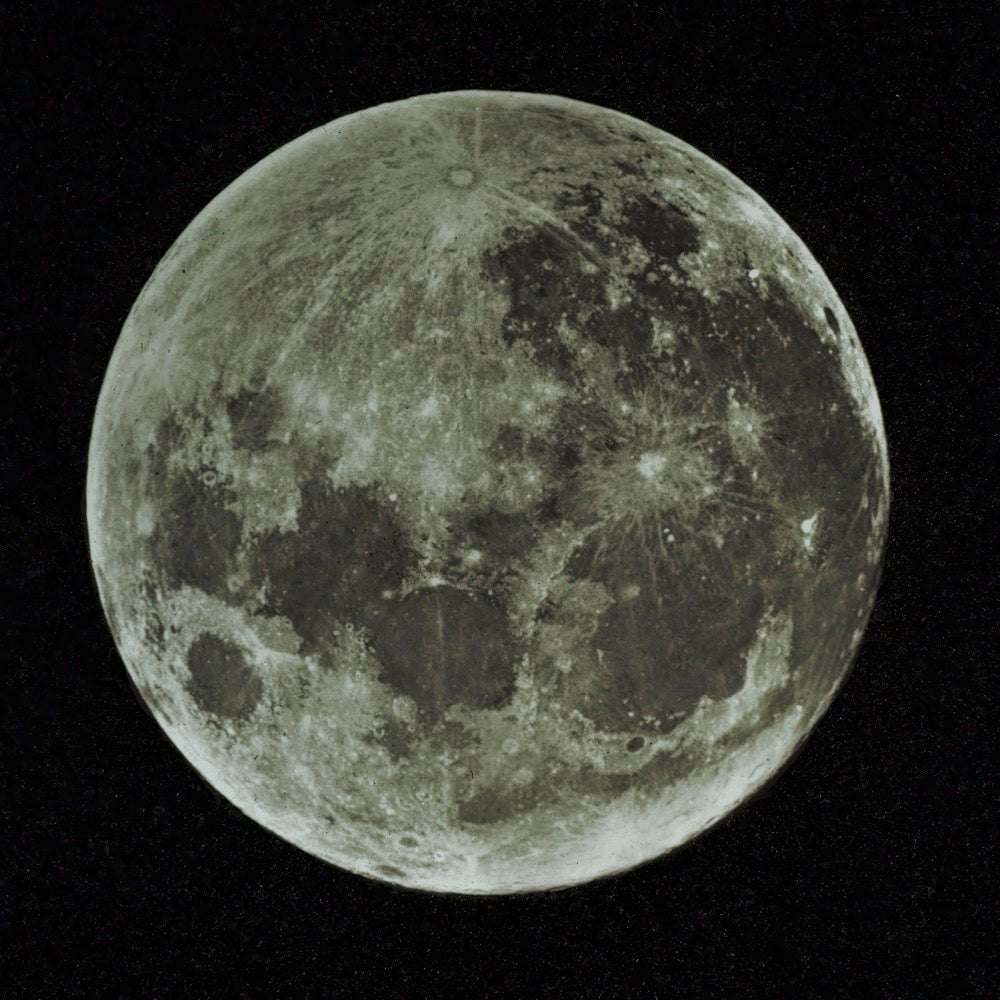
This collection presents a series of high-contrast celestial and atmospheric studies, each captured through a circular aperture that replicates the view of a 19th-century telescope or Magic Lantern projector. The imagery ranges from the jagged, monochromatic topography of the lunar surface to the erratic, skeletal energy of lightning strikes and the hand-tinted solar corona. Each piece serves as a silent, scientific witness to natural phenomena, offering a viewing experience that balances clinical observation with a deeply contemplative, archival mood.
Why We Picked It
The compelling nature of this series lies in the preservation of the original glass plate textures including visible grain, photographic noise, and the specific "iris" framing of the Victorian era. The play of light against deep obsidian backgrounds creates a three-dimensional depth that rewards close inspection. By standardizing these disparate observations into a cohesive format, the collection highlights the raw, tactile realism of early scientific photography, avoiding the artificial smoothness of modern digital imaging.
Notable Context
During the late 19th century, Australia and New Zealand were centers for rapid colonial expansion and scientific cataloging, driven by a Victorian obsession with measuring the "unknown". This era saw the rise of the "Great Observatories" and a global movement to standardize weather patterns and astronomical data to aid maritime navigation across the Southern Hemisphere. Simultaneously, the Theosophical movement gained significant traction in the region, reflecting a cultural desire to reconcile this new, cold scientific data with a sense of universal spiritualism.
About the Artist
Clement Wragge was a renowned meteorologist and Fellow of the Royal Geographical Society, known for establishing the first mountain-top weather stations in Australia. His work was deeply influenced by his travels and the emerging "Magic Lantern" technology, which he used to broadcast scientific imagery to the general public. Wragge’s unique contribution to visual culture was his ability to synthesize rigorous meteorological data with a dramatic, almost theatrical presentation, making him a pivotal figure in the history of scientific communication in the South Pacific.