


Cat Pawing at Goldfish — Isoda Koryusai Ukiyo-e Woodblock Print
Cat Pawing at Goldfish — Isoda Koryusai Ukiyo-e Woodblock Print
Couldn't load pickup availability
About our restored prints
About our restored prints
Expertly restored: tears and stains are fixed, original clarity and depth of color are thoughtfully revived.
- Printed on museum-quality fine art paper
- Archival inks for long-lasting color
- Professionally color-calibrated
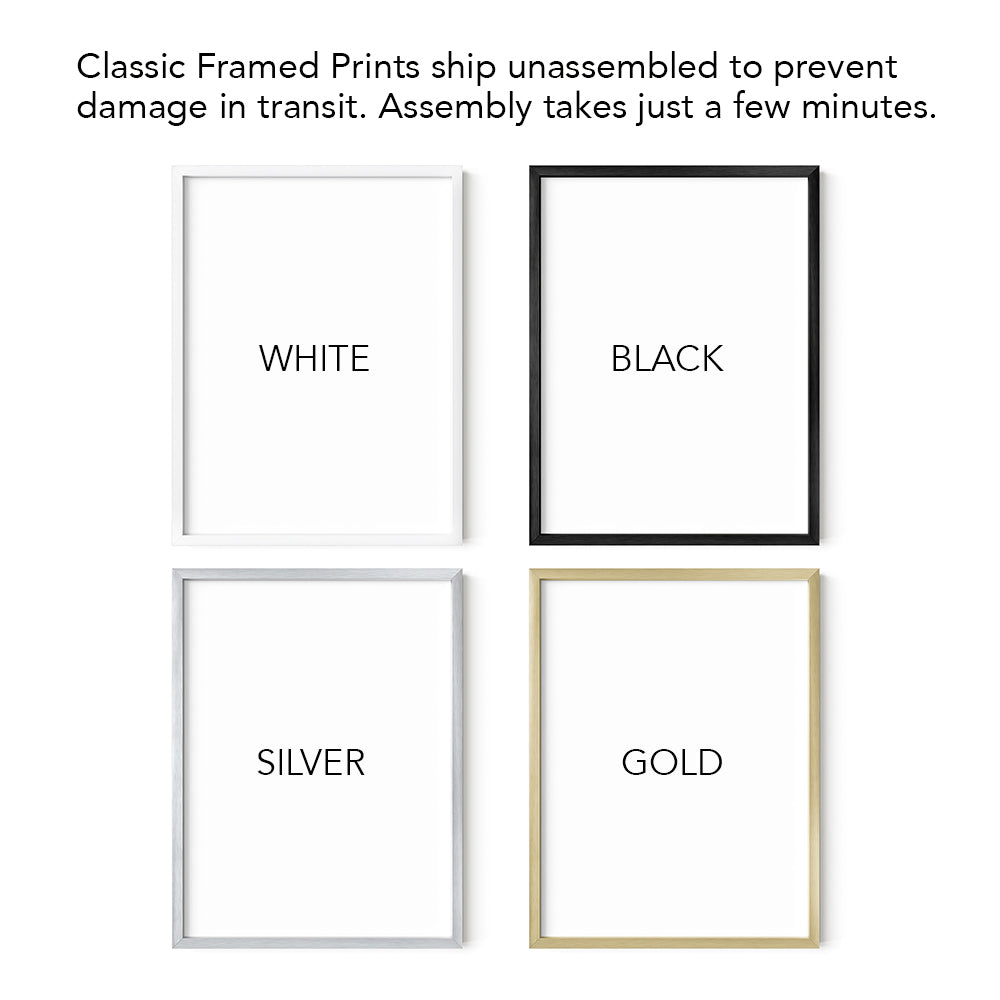
- Most framed prints ship unassembled for safety. Assembly is simple.
Shipping & Return Policy
Shipping & Return Policy
Classic Prints/Framed prints: 1-2 weeks
Frames & Decor: 2-3 weeks
Custom Frames: 2-3 weeks
Returns within 2 weeks.
Custom Framed prints are hand assembled and cannot be returned.
See policies in the footer
Cat Pawing at Goldfish by Isoda Koryusai (c. early 1770s) is a charming woodblock print that captures a playful domestic moment. The scene depicts a white cat with black markings, adorned with a delicate pink bow, poised atop a large ornamental bowl.
Why We Picked It
This artwork captures the perfect interplay of colors and textures—a mustard yellow floor grounding the scene, soft pink and green patterns curling around the bowl, and the sharp yellow leaves of a quirky succulent in the background. It’s an everyday moment turned magical: a curious cat, mid-paw, framed by a striking mix of domestic stillness and lively detail. The composition feels both playful and serene, embodying the unique charm of ukiyo-e while inviting you to linger in its playful world.
Notable Context
The 1770s marked the flourishing of the ukiyo-e art movement during Japan's Edo period (1603–1868). This genre, which translates to "pictures of the floating world," focused on capturing ephemeral pleasures, such as kabuki theater, tea ceremonies, and nature. Artists of this era produced prints using intricate woodblock techniques, making art more accessible to the growing urban merchant class. The Edo period saw increased prosperity and cultural development under a rigid class hierarchy and isolationist policies. Art became a medium for escapism, often portraying idealized views of beauty, nature, and leisure.
About the Artist
Isoda Koryusai (active c. 1764–1788) was a prolific ukiyo-e artist known for his versatility in both painting and woodblock prints. Initially a samurai, Koryusai transitioned to art after his lord's death, finding acclaim for his bijin-ga (beautiful women) portraits. Unlike many of his contemporaries, Koryusai's works reflected a broad thematic range, from elegant courtesans to lively natural scenes, as seen in Cat Pawing at Goldfish. His art combined refined compositions with a subtle emotional depth, capturing the essence of Edo-period aesthetics. Koryusai received the honorary title of hokkyō, signifying mastery in Buddhist painting, further cementing his legacy in Japanese art history.


Find a matching frame
-
Ornate Gold Frame — Baroque Rococo Deep Relief Gilded Picture Frame
Regular price $39.00 USDRegular priceUnit price per -
Verdant Press Frame — Rococo Victorian Deep Green Distressed Gold Picture Frame
Regular price $65.00 USDRegular priceUnit price per -
Baroque in Black and Gold Frame — Rococo Ornate Lacquer Picture Frame
Regular price $70.00 USDRegular priceUnit price per -
Classic Beveled Wood Frames – Square (12x12), Rectangular (12x16/16x20)
Regular price From $55.00 USDRegular priceUnit price per -
Old World Beauty Frame — Gothic Revival Baroque Ornate Vintage Picture Frame
Regular price $60.00 USDRegular priceUnit price per


