PREMIUM
Pigeon Pairing — 1837 British Animal Portrait Print Set of 2
Pigeon Pairing — 1837 British Animal Portrait Print Set of 2
Couldn't load pickup availability
About our restored prints
About our restored prints
Expertly restored: tears and stains are fixed, original clarity and depth of color are thoughtfully revived.
- Printed on museum-quality fine art paper
- Archival inks for long-lasting color
- Professionally color-calibrated
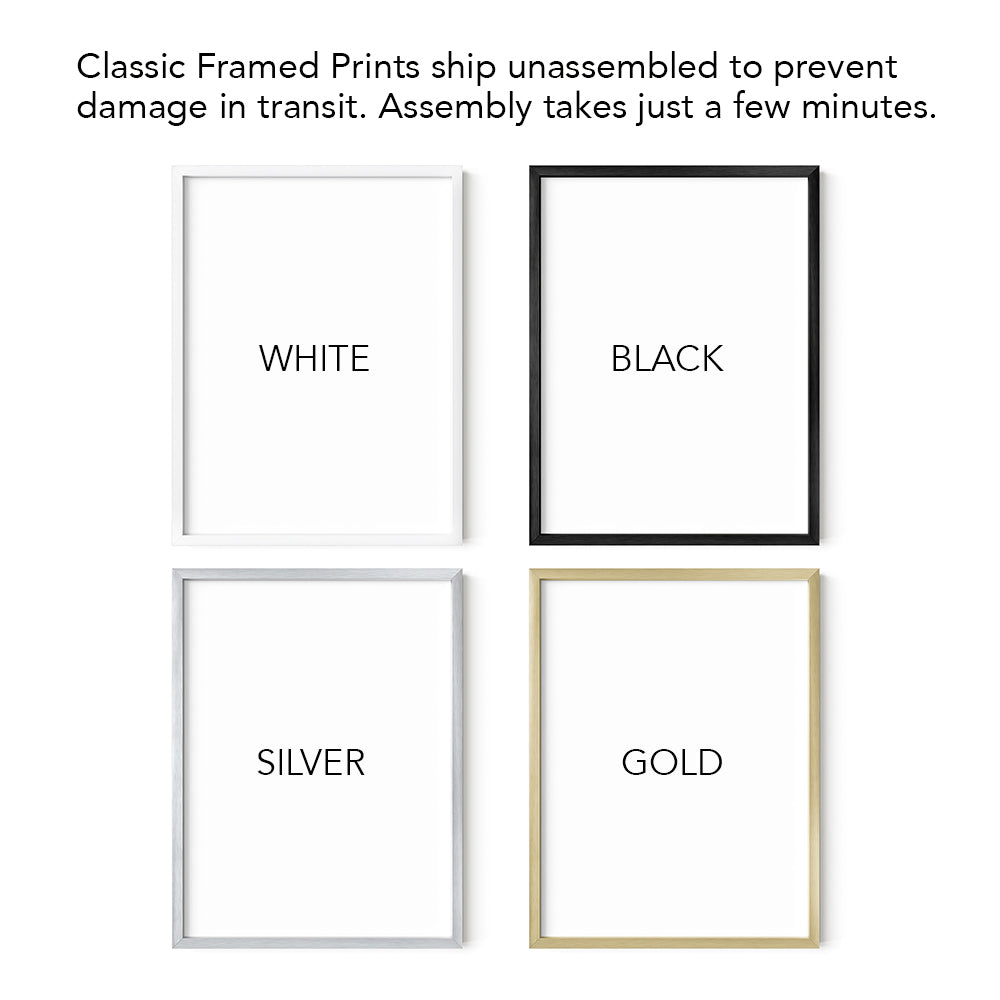
- Most framed prints ship unassembled for safety. Assembly is simple.
Shipping & Return Policy
Shipping & Return Policy
Classic Prints/Framed prints: 1-2 weeks
Frames & Decor: 2-3 weeks
Custom Frames: 2-3 weeks
Returns within 2 weeks.
Custom Framed prints are hand assembled and cannot be returned.
See policies in the footer
These 1837 studies of carrier pigeons are a remarkable intersection of science and a tradition of British animal portraiture. These works capture the "Red Pied" and "Grizzle" varieties with a stateliness usually reserved for Thoroughbred horses, set against soft, atmospheric skies that emphasize their sleek form. The viewing experience is one of quiet admiration for the natural world, highlighting the specific textures of plumage and the intelligent, alert gaze of birds that were once vital to global communication.
Why We Picked It
We selected these pieces for their exceptional technical clarity and the way they elevate a common subject to high art. Wolstenholme’s mastery of oil on canvas is evident in the subtle transitions of the "apricot and white" feathers and the intricate details of the pigeon's unique wattles. The composition—placing the birds on elevated, mossy outcrops against a distant, hazy horizon—creates a sense of monumental scale, turning these small creatures into heroic figures of the 19th-century landscape.
Notable Context
In 1837, the carrier pigeon was far more than a hobbyist’s pet; it was a high-speed communication technology crucial to the pre-telegraphic world. This was the era of the "Pigeon Post," where these birds were used by stockbrokers, news agencies, and the military to relay information across borders at unprecedented speeds. Wolstenholme’s focus on specific breeds like the "Red Pied" reflects the burgeoning Victorian passion for selective breeding and natural history classification. These portraits coincide with a period where the British sporting art tradition began to merge with a more scientific, documentary approach to animal life, driven by the public's growing curiosity about the nuances of "fancy" breeds and their utility in an increasingly connected British Empire.
About the Artist
Dean Wolstenholme the Younger (1798–1882) was a distinguished British sporting and animal painter who followed in the footsteps of his father, Dean Wolstenholme the Elder. While his father focused on the thrill of the hunt, the younger Wolstenholme became renowned for his meticulous anatomical accuracy and his ability to imbue domestic animals with character. His work is a vital record of 19th-century animal husbandry, and his legacy is preserved in major collections like the Yale Center for British Art, where his paintings serve as both artistic triumphs and historical documents of Victorian life.