


Cambrian Road — Spencer Gore British Camden Town Group Print
Cambrian Road — Spencer Gore British Camden Town Group Print
Couldn't load pickup availability
About our restored prints
About our restored prints
Expertly restored: tears and stains are fixed, original clarity and depth of color are thoughtfully revived.
- Printed on museum-quality fine art paper
- Archival inks for long-lasting color
- Professionally color-calibrated
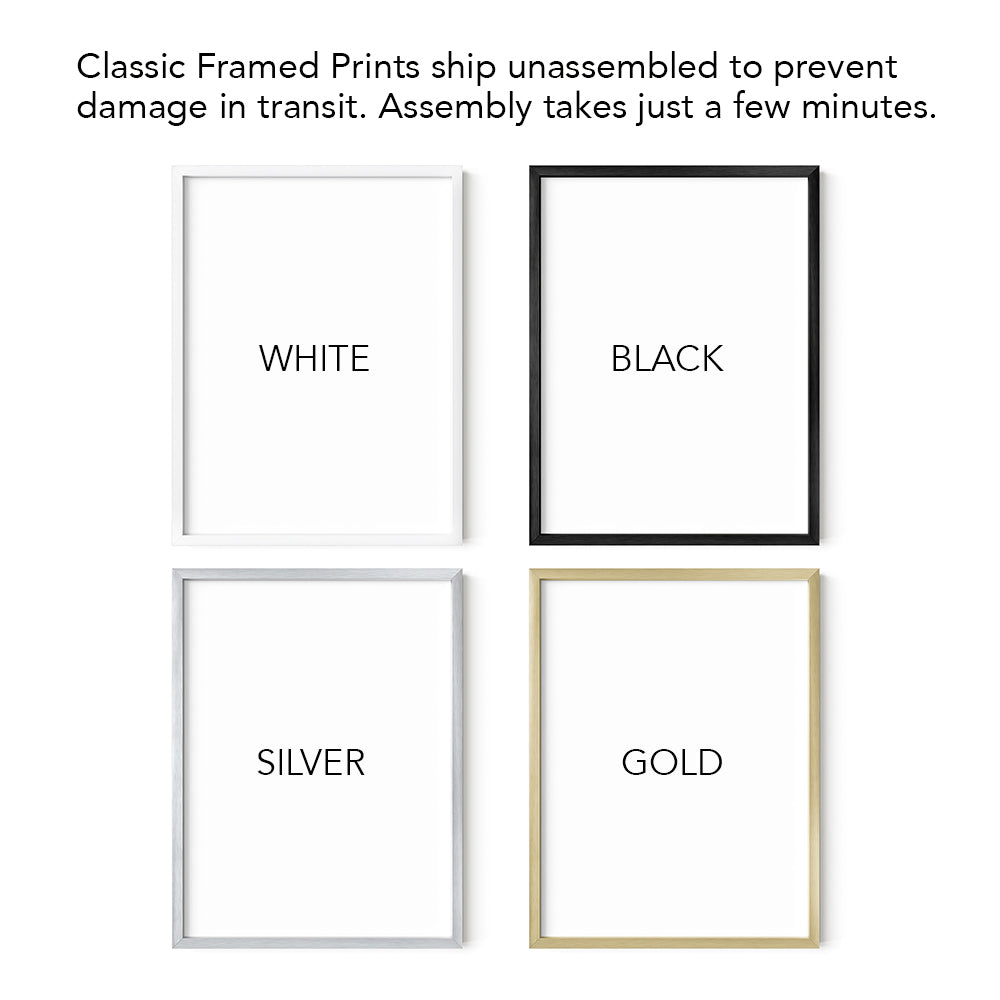
- Most framed prints ship unassembled for safety. Assembly is simple.
Shipping & Return Policy
Shipping & Return Policy
Classic Prints/Framed prints: 1-2 weeks
Frames & Decor: 2-3 weeks
Custom Frames: 2-3 weeks
Returns within 2 weeks.
Custom Framed prints are hand assembled and cannot be returned.
See policies in the footer
Spencer Frederick Gore’s Cambrian Road is a rhythmic, vibrant exploration of the early 20th-century British suburb. Painted between 1913 and 1914, the work depicts a quiet street of Victorian villas rendered with a modern vitality that transcends mere residential documentation. The atmosphere is one of structural harmony, where a soft lavender sky meets the warm, angular rooftops of a hopeful new beginning, capturing a personal "suburban dream" shortly before the artist’s untimely death.
Why We Picked It
We chose this piece for its sophisticated transition from Impressionist light to Post-Impressionist structure. Gore’s application of paint is distinctive, utilizing a mosaic of flat, angular patches of color—dominated by muted mauves, terracotta, and sage greens—to build volume and energy. The composition is particularly compelling in how the verticality of the winter trees bisects the horizontal lines of the terraced houses, creating a balanced, geometric aesthetic that remains strikingly modern.
Notable Context
At this time, the city’s air quality reached a crisis point due to unregulated coal burning; the "smoky position" of Gore’s previous flat in Camden Town, wedged between major railway lines, was not merely an aesthetic grievance but a severe health hazard. This painting captures the physical manifestation of the "Suburban Dream"—the Edwardian middle-class migration toward rus in urbe (the countryside in the city).
Gore’s move to Richmond was an attempt to find a "healthier environment" for his pregnant wife and young family, a sentiment shared by many Londoners escaping the grime of the industrial center. This migration was facilitated by the rapid expansion of the London Underground and suburban rail, which transformed former villages like Richmond into accessible retreats for the artistic and professional classes.
Artistically, the work stands at a volatile crossroads in British art history. In 1913, Gore organized the Exhibition of the Work of English Post-Impressionists, Cubists and Others in Brighton, a landmark event that formally separated traditional Post-Impressionist styles from the more radical, emerging Vorticist movement led by Wyndham Lewis. In this piece, we see Gore grappling with these tensions: he applies the structural geometry of Paul Cézanne to a quintessential British street. Tragically, the very landscape he moved to for health became his downfall. While painting the winter trees of nearby Richmond Park en plein air in early 1914, Gore contracted pneumonia and died at age 35, leaving this Richmond series as the final, matured evolution of his vision before the outbreak of World War I.
About the Artist
Spencer Frederick Gore (1878–1914) was the "gentle leader" of the British avant-garde and the first president of the Camden Town Group. A student of the Slade School of Fine Art alongside giants like Augustus John and Wyndham Lewis, Gore became the bridge between the loose Impressionism of Walter Sickert and the hard-edged Modernism of the 20th century. He was uniquely respected for his "artistic tact," managed to hold together the disparate, often truculent personalities of London’s art cliques. His style is characterized by a "mosaic" approach—building a scene from deliberate, flat patches of color that prioritize the underlying rhythm of a landscape over its surface details.


Find a matching frame
-
Ornate Gold Frame — Baroque Rococo Deep Relief Gilded Picture Frame
Regular price $39.00 USDRegular priceUnit price per -
Verdant Press Frame — Rococo Victorian Deep Green Distressed Gold Picture Frame
Regular price $65.00 USDRegular priceUnit price per -
Baroque in Black and Gold Frame — Rococo Ornate Lacquer Picture Frame
Regular price $70.00 USDRegular priceUnit price per -
Classic Beveled Wood Frames – Square (12x12), Rectangular (12x16/16x20)
Regular price From $55.00 USDRegular priceUnit price per -
Old World Beauty Frame — Gothic Revival Baroque Ornate Vintage Picture Frame
Regular price $60.00 USDRegular priceUnit price per


