


Apothecary — Victorian Pharmacy Interior & Botanical Bottle Print
Apothecary — Victorian Pharmacy Interior & Botanical Bottle Print
Couldn't load pickup availability
About our restored prints
About our restored prints
Expertly restored: tears and stains are fixed, original clarity and depth of color are thoughtfully revived.
- Printed on museum-quality fine art paper
- Archival inks for long-lasting color
- Professionally color-calibrated
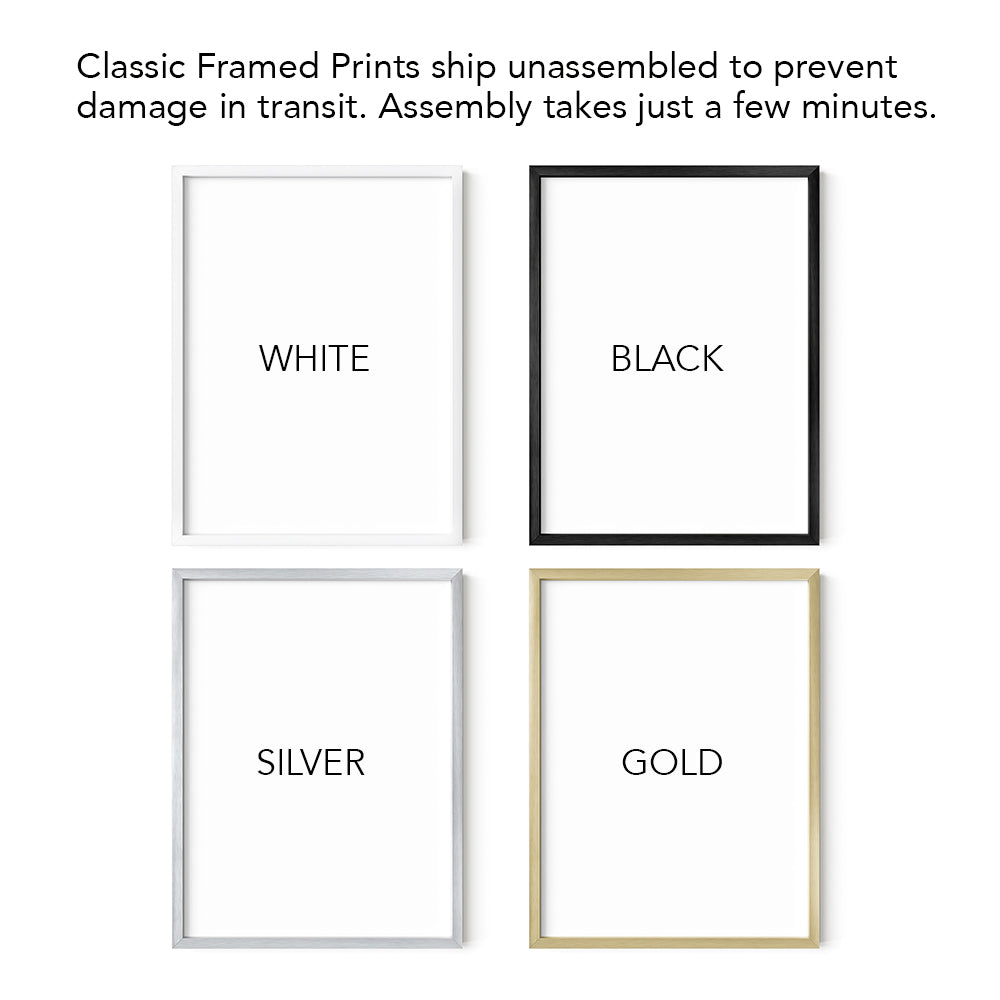
- Most framed prints ship unassembled for safety. Assembly is simple.
Shipping & Return Policy
Shipping & Return Policy
Classic Prints/Framed prints: 1-2 weeks
Frames & Decor: 2-3 weeks
Custom Frames: 2-3 weeks
Returns within 2 weeks.
Custom Framed prints are hand assembled and cannot be returned.
See policies in the footer
A jewel-box pharmacy with an exquisitely detailed interior is frozen in time; a chandelier glows above checkered floors and cut-glass bottles line carved shelves arranged with symmetry and precision. The scene evokes a memory you’re sure you’ve never lived.
Why We Picked It
The art stands out for its near-architectural precision and lavish ornamentation. The pastel-toned palette—cool greens, warm woods, and golden accents creates a scene that feels orderly and indulgent. A purposeful composition with exacting geometry of counters contrasting with the delicate labeling of apothecary jars.
Notable Context
Created in the late 30s, this work captures a transitional period in American design and commerce—where the tailored refinement of late Victorian interiors began to give way to more modern, streamlined aesthetics. The drawing clings to the romance of earlier decades, perhaps idealizing the pharmacy as a place of beauty, precision, and trust. It may reflect the optimism and civic pride commonly seen in New Deal-era public works and commercial design.
The painting style is characteristic of commercial or architectural illustrators working in early 20th-century America. These draftspeople often blurred the line between utility and beauty, producing images for shops, companies, advertisements, or civic planning. Their anonymous contributions shaped the visual lexicon of public life—functional spaces dignity and delight.


Find a matching frame
-
Ornate Gold Frame — Baroque Rococo Deep Relief Gilded Picture Frame
Regular price $39.00 USDRegular priceUnit price per -
Verdant Press Frame — Rococo Victorian Deep Green Distressed Gold Picture Frame
Regular price $65.00 USDRegular priceUnit price per -
Baroque in Black and Gold Frame — Rococo Ornate Lacquer Picture Frame
Regular price $70.00 USDRegular priceUnit price per -
Classic Beveled Wood Frames – Square (12x12), Rectangular (12x16/16x20)
Regular price From $55.00 USDRegular priceUnit price per -
Old World Beauty Frame — Gothic Revival Baroque Ornate Vintage Picture Frame
Regular price $60.00 USDRegular priceUnit price per


