


A Map of the World — 1906 Burmese Pictorial World Map Print
A Map of the World — 1906 Burmese Pictorial World Map Print
Couldn't load pickup availability
About our restored prints
About our restored prints
Expertly restored: tears and stains are fixed, original clarity and depth of color are thoughtfully revived.
- Printed on museum-quality fine art paper
- Archival inks for long-lasting color
- Professionally color-calibrated
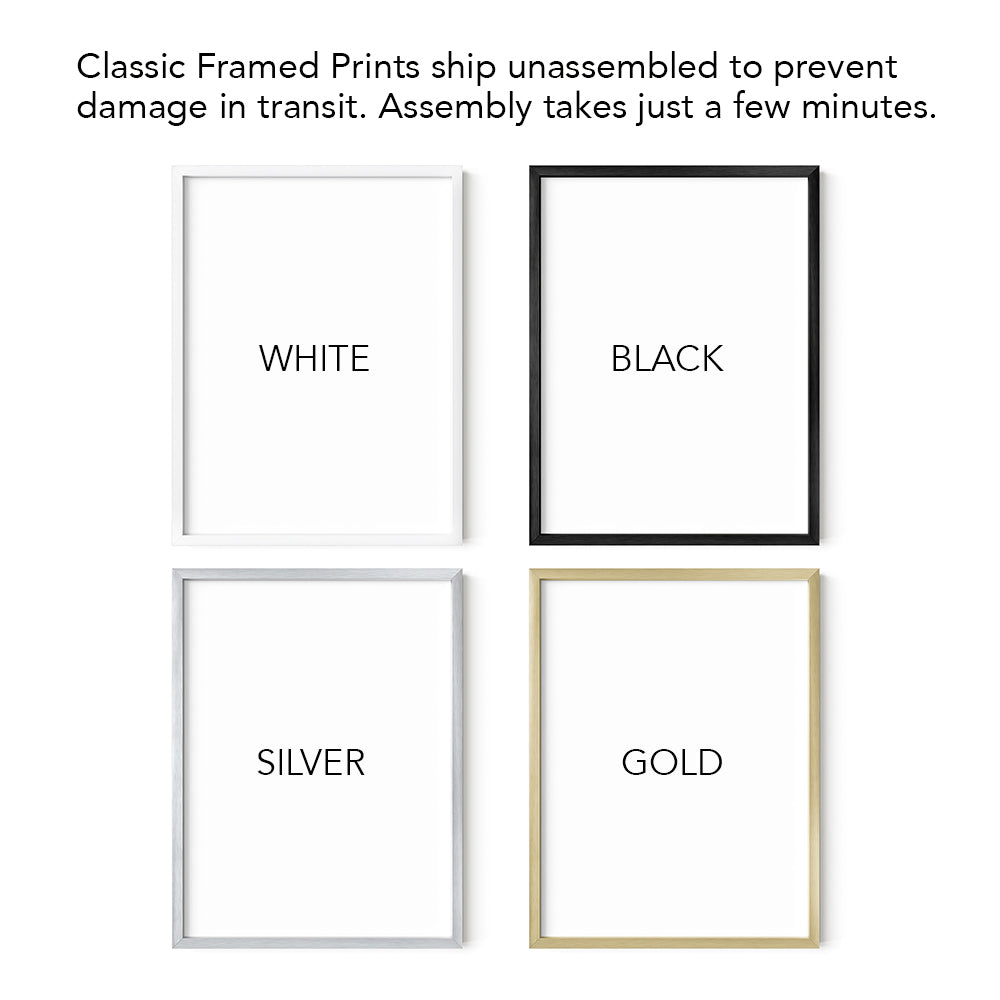
- Most framed prints ship unassembled for safety. Assembly is simple.
Shipping & Return Policy
Shipping & Return Policy
Classic Prints/Framed prints: 1-2 weeks
Frames & Decor: 2-3 weeks
Custom Frames: 2-3 weeks
Returns within 2 weeks.
Custom Framed prints are hand assembled and cannot be returned.
See policies in the footer
The Burmese map of the world illustrates the rich tapestry of Burmese culture and religion through a unique blend of indigenous and Medieval European cartographic influences.
Why We Picked It
Created in 1906, it reflects the spiritual and symbolic worldview of Burma, where nats, or spirits, play a central role. In Burmese culture, the nats are revered entities believed to influence various aspects of life and nature. The map's incorporation of these spiritual elements alongside traditional geographic features highlights the intertwined nature of physical and metaphysical realms in Burmese thought. The blend of European map-making techniques with local religious and cultural symbols offers a glimpse into how Burmese society integrated external influences while maintaining its distinct spiritual identity.
Notable Context
In 1906, Burma was under British colonial rule, having been annexed after three Anglo-Burmese Wars. The British administration introduced new legal and bureaucratic systems, significantly altering the country's traditional structures. Economically, there was a focus on rice cultivation and infrastructure development to facilitate resource extraction and export. Despite British efforts to diminish the influence of Buddhism, it remained central to Burmese identity, fostering a cultural renaissance among intellectuals. This period also saw the rise of nationalist sentiments and organized resistance against colonial rule. The Burmese map of the world from this time reflects the integration of traditional spiritual beliefs with European cartographic techniques, illustrating the interplay of indigenous and colonial influences.


Find a matching frame
-
Ornate Gold Frame — Baroque Rococo Deep Relief Gilded Picture Frame
Regular price $39.00 USDRegular priceUnit price per -
Verdant Press Frame — Rococo Victorian Deep Green Distressed Gold Picture Frame
Regular price $65.00 USDRegular priceUnit price per -
Baroque in Black and Gold Frame — Rococo Ornate Lacquer Picture Frame
Regular price $70.00 USDRegular priceUnit price per -
Classic Beveled Wood Frames – Square (12x12), Rectangular (12x16/16x20)
Regular price From $55.00 USDRegular priceUnit price per -
Old World Beauty Frame — Gothic Revival Baroque Ornate Vintage Picture Frame
Regular price $60.00 USDRegular priceUnit price per


